

The Importance of CCTV Surveillance in Enhancing Security
- skynextmultitouchp
- Jul 9
- 3 min read

Security remains a top priority for homes, businesses, and public spaces. One of the most effective tools to improve safety and deter crime is CCTV surveillance. Installing cameras not only helps catch wrongdoers but also prevents incidents before they happen. This post explores why CCTV is essential for modern security, how it works, and practical benefits it offers.
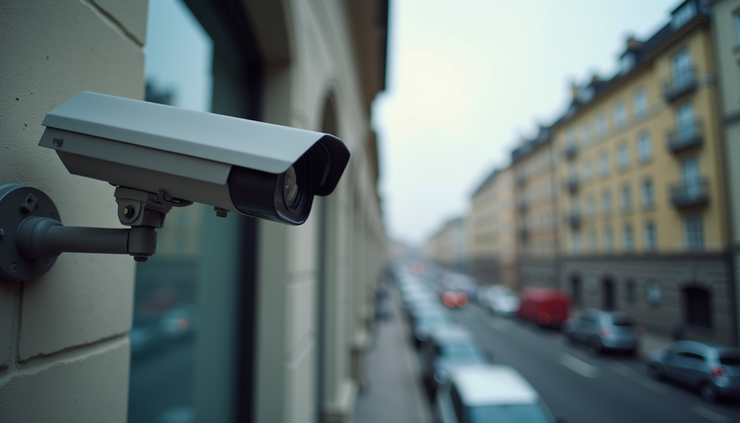
How CCTV Improves Security
CCTV, or closed-circuit television, provides continuous video monitoring of specific areas. Unlike regular TV, the footage is private and accessible only to authorized users. This system helps in several ways:
Crime deterrence: Visible cameras discourage theft, vandalism, and other illegal acts because offenders know they are being watched.
Evidence collection: Recorded footage can be used by law enforcement to identify suspects and support investigations.
Remote monitoring: Many modern CCTV systems allow real-time viewing from smartphones or computers, enabling quick response to suspicious activity.
Safety assurance: Cameras help monitor vulnerable areas such as parking lots, entrances, and playgrounds, ensuring people feel safer.
For example, a retail store with CCTV cameras often experiences fewer shoplifting incidents. The presence of cameras signals to potential thieves that their actions are likely to be recorded and reported.
Practical Applications of CCTV
CCTV surveillance is versatile and fits many environments:
Residential areas: Homeowners use cameras to monitor entrances, driveways, and backyards. This helps prevent burglaries and provides peace of mind when away.
Commercial properties: Businesses protect inventory, employees, and customers by installing cameras in stores, warehouses, and offices.
Public spaces: Cities deploy CCTV in parks, streets, and transit stations to enhance public safety and assist police in managing incidents.
Industrial sites: Factories and construction sites use cameras to monitor equipment, ensure worker safety, and prevent unauthorized access.
In a city setting, CCTV footage helped police quickly identify and arrest suspects involved in a series of thefts, showing how surveillance supports law enforcement efforts.

Choosing the Right CCTV System
Selecting the appropriate CCTV system depends on your security needs and environment. Consider these factors:
Camera type: Options include dome, bullet, and PTZ (pan-tilt-zoom) cameras. Dome cameras are discreet, bullet cameras cover long distances, and PTZ cameras allow flexible movement.
Resolution: Higher resolution cameras capture clearer images, which is crucial for identifying faces or license plates.
Night vision: Infrared cameras provide visibility in low light or darkness.
Storage: Decide between local storage (DVR/NVR) or cloud storage, balancing accessibility and data security.
Connectivity: Wired systems offer stable connections, while wireless systems provide easier installation.
For example, a warehouse might choose high-resolution bullet cameras with night vision to monitor large outdoor areas, while a small shop may prefer discreet dome cameras inside the premises.
Legal and Ethical Considerations
Using CCTV comes with responsibilities. It is important to respect privacy laws and inform people about surveillance where required. Avoid placing cameras in private areas such as bathrooms or changing rooms. Signage indicating CCTV use can help maintain transparency and build trust.
Benefits Beyond Crime Prevention
CCTV also supports other aspects of safety and management:
Workplace safety: Monitoring hazardous areas can prevent accidents and ensure compliance with safety protocols.
Traffic control: Cameras help manage traffic flow and detect violations.
Customer service: Businesses can analyze footage to improve service and resolve disputes.
Emergency response: Real-time monitoring allows quicker action during fires, medical emergencies, or security breaches.
Final Thoughts on CCTV Surveillance
CCTV surveillance plays a crucial role in enhancing security across various settings. It deters crime, provides valuable evidence, and supports safety efforts. When choosing a system, consider your specific needs and legal requirements to maximize benefits. Installing CCTV is a proactive step toward protecting people, property, and peace of mind.
If you have not yet installed CCTV, now is a good time to explore options that fit your environment. A well-planned surveillance system can make a significant difference in safety and security.


Comments